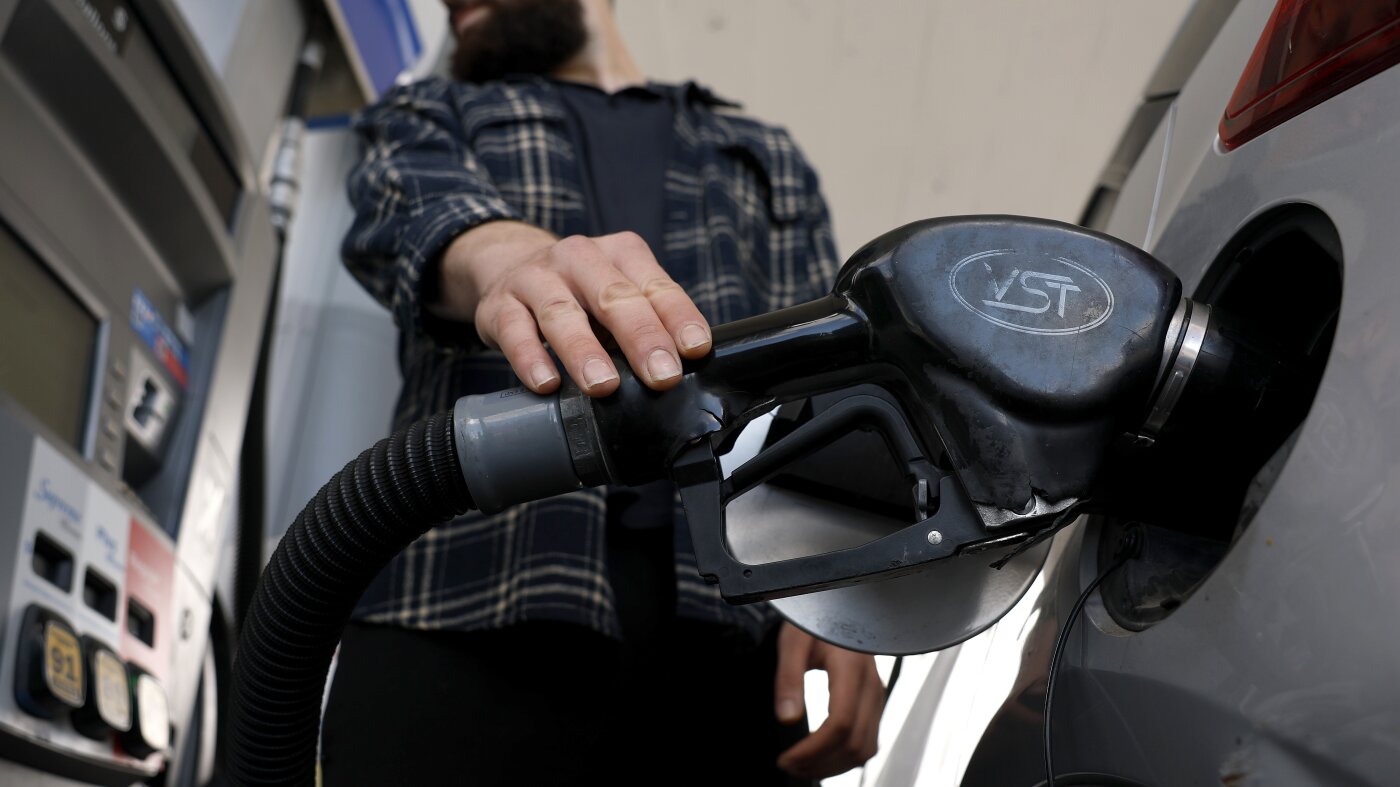
research report We provide continuous financial coverage including stock performance, earnings expectations, and broader economic indicators. As the national average for a gallon of gasoline reaches $4.55 heading into one of the busiest travel weekends, consumers are evaluating ways to cut fuel costs. Options such as driving slower, switching to electric vehicles, or avoiding driving altogether may offer relief. This trend could influence broader energy demand and consumer spending patterns.
Live News
research report Access to multiple perspectives can help refine investment strategies. Traders who consult different data sources often avoid relying on a single signal, reducing the risk of following false trends. Diversifying information sources enhances decision-making accuracy. Professional investors integrate quantitative metrics, macroeconomic reports, sector analyses, and sentiment indicators to develop a comprehensive understanding of market conditions. This multi-source approach reduces reliance on a single perspective. The national average for a gallon of gasoline stands at $4.55, according to recent data, as America prepares for one of the busiest travel weekends of the year. With prices remaining elevated, consumers are exploring various methods to reduce fuel expenses. Among the suggested approaches are driving at slower speeds to improve fuel efficiency, considering electric vehicle (EV) adoption, or curtailing travel entirely when possible. These strategies reflect a broader consumer response to sustained high fuel costs, which may affect travel behavior and household budgets. The timing of this price level—coinciding with peak travel demand—highlights the tension between necessary mobility and rising expenses. Drivers are reportedly adjusting habits, such as avoiding rapid acceleration and reducing idling, while also evaluating longer-term shifts like purchasing more fuel-efficient or electric vehicles. Public transit and carpooling are also being mentioned as alternatives, though their availability varies by region. The situation underscores the immediate financial pressure on households and the potential for lasting changes in transportation choices.
Rising Gas Prices Prompt Consumer Strategies: Slower Driving, Electric Vehicles, and Reduced Travel Some investors use trend-following techniques alongside live updates. This approach balances systematic strategies with real-time responsiveness.Real-time data also aids in risk management. Investors can set thresholds or stop-loss orders more effectively with timely information.Rising Gas Prices Prompt Consumer Strategies: Slower Driving, Electric Vehicles, and Reduced Travel Some traders combine sentiment analysis from social media with traditional metrics. While unconventional, this approach can highlight emerging trends before they appear in official data.Investors often rely on a combination of real-time data and historical context to form a balanced view of the market. By comparing current movements with past behavior, they can better understand whether a trend is sustainable or temporary.
Key Highlights
research report Some traders prefer automated insights, while others rely on manual analysis. Both approaches have their advantages. Many traders use alerts to monitor key levels without constantly watching the screen. This allows them to maintain awareness while managing their time more efficiently. The $4.55 average gasoline price may have several implications for the broader economy and sector dynamics. First, historically elevated fuel costs could dampen discretionary spending in other areas as consumers allocate more income to transportation. This might particularly affect retail and hospitality sectors dependent on travel and leisure. Second, the price level could accelerate interest in electric vehicles and fuel-saving technologies, potentially boosting EV adoption rates. However, the pace of transition would likely depend on vehicle availability, charging infrastructure, and incentives. Third, higher gas prices may influence oil demand expectations, possibly leading to shifts in refinery output and inventory strategies. Market participants could watch for changes in driving patterns, such as reduced vehicle miles traveled, which might temper crude oil demand growth. These factors collectively suggest that consumer behavior in response to gas prices warrants close monitoring for signals of evolving energy consumption trends.
Rising Gas Prices Prompt Consumer Strategies: Slower Driving, Electric Vehicles, and Reduced Travel Scenario analysis based on historical volatility informs strategy adjustments. Traders can anticipate potential drawdowns and gains.Historical precedent combined with forward-looking models forms the basis for strategic planning. Experts leverage patterns while remaining adaptive, recognizing that markets evolve and that no model can fully replace contextual judgment.Rising Gas Prices Prompt Consumer Strategies: Slower Driving, Electric Vehicles, and Reduced Travel Some investors track currency movements alongside equities. Exchange rate fluctuations can influence international investments.Seasonality can play a role in market trends, as certain periods of the year often exhibit predictable behaviors. Recognizing these patterns allows investors to anticipate potential opportunities and avoid surprises, particularly in commodity and retail-related markets.
Expert Insights
research report Observing how global markets interact can provide valuable insights into local trends. Movements in one region often influence sentiment and liquidity in others. Many traders monitor multiple asset classes simultaneously, including equities, commodities, and currencies. This broader perspective helps them identify correlations that may influence price action across different markets. From an investment perspective, the current gas price environment presents both opportunities and risks across various sectors. Energy companies might benefit from elevated margins if crude costs remain favorable, but sustained high prices could eventually dampen demand and consumption. The automotive industry could see increased interest in electric and hybrid models, though near-term adoption may be constrained by supply chains and upfront costs. Consumer discretionary firms tied to travel, such as airlines and hotels, might face headwinds from reduced trip frequency or shorter distances. Additionally, utility and renewable energy companies could be well-positioned as consumers seek alternatives to gasoline. However, these trends are uncertain and depend on broader economic conditions, regulatory policies, and technological advancements. Investors are advised to consider these factors cautiously, as market reactions may vary. This analysis is for informational purposes only and does not constitute investment advice.
Rising Gas Prices Prompt Consumer Strategies: Slower Driving, Electric Vehicles, and Reduced Travel Real-time data is especially valuable during periods of heightened volatility. Rapid access to updates enables traders to respond to sudden price movements and avoid being caught off guard. Timely information can make the difference between capturing a profitable opportunity and missing it entirely.Cross-asset analysis helps identify hidden opportunities. Traders can capitalize on relationships between commodities, equities, and currencies.Rising Gas Prices Prompt Consumer Strategies: Slower Driving, Electric Vehicles, and Reduced Travel Market participants often refine their approach over time. Experience teaches them which indicators are most reliable for their style.The use of multiple reference points can enhance market predictions. Investors often track futures, indices, and correlated commodities to gain a more holistic perspective. This multi-layered approach provides early indications of potential price movements and improves confidence in decision-making.