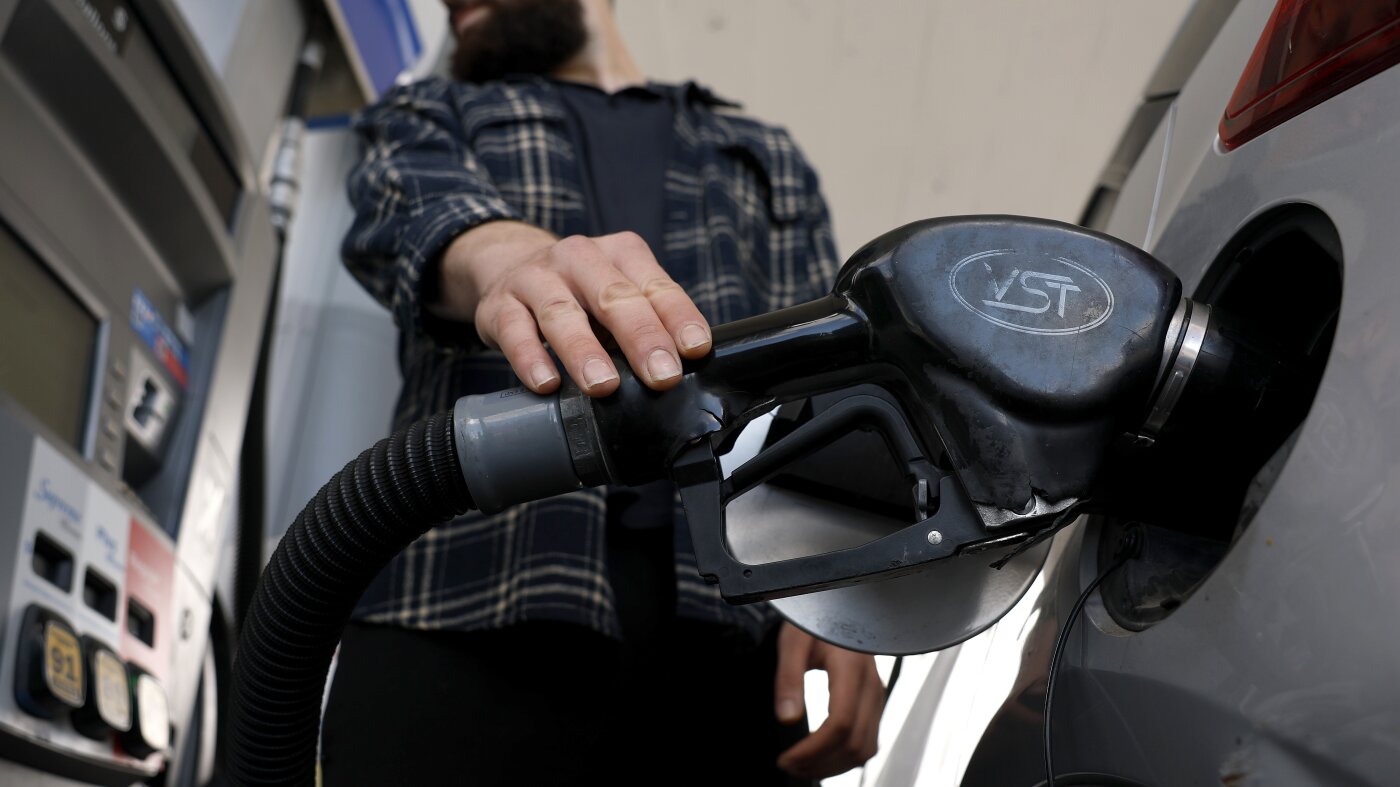
data report We focus on delivering actionable insights from earnings reports, technical indicators, and institutional trading activity across major stock market sectors. The national average price for a gallon of gasoline has reached $4.55 as the United States approaches one of the busiest travel weekends of the year. With fuel costs at elevated levels, consumers are evaluating options to reduce expenses, including driving at slower speeds, adopting electric vehicles, or reducing travel altogether. These strategies may offer varying degrees of relief depending on individual circumstances.
Live News
data report Observing market correlations can reveal underlying structural changes. For example, shifts in energy prices might signal broader economic developments. Cross-asset analysis can guide hedging strategies. Understanding inter-market relationships mitigates risk exposure. According to the latest available data, the national average gasoline price stands at $4.55 per gallon, coinciding with the lead-up to a peak holiday travel period. This price level represents a significant increase from earlier periods, prompting many drivers to seek ways to mitigate fuel costs. The source highlights several potential approaches: driving slower, transitioning to electric vehicles, or minimizing driving entirely. Driving at reduced speeds can improve fuel efficiency, as vehicles typically achieve optimal gasoline consumption at moderate velocities. For gasoline-powered vehicles, operating at lower speeds may reduce aerodynamic drag and improve miles per gallon, potentially lowering per-trip costs. Another option involves shifting to electric vehicles (EVs), which offer lower per-mile energy costs compared to gasoline counterparts, though the upfront purchase price remains a barrier for many consumers. Additionally, drivers may choose to forgo unnecessary trips, combine errands, or use alternative modes of transportation such as public transit, cycling, or ride-sharing. The recent price surge may also encourage more households to consider these long-term changes in driving habits.
Gasoline Prices at $4.55 National Average: Strategies for Cost Savings This Travel Season Sentiment analysis has emerged as a complementary tool for traders, offering insight into how market participants collectively react to news and events. This information can be particularly valuable when combined with price and volume data for a more nuanced perspective.Data-driven insights are most useful when paired with experience. Skilled investors interpret numbers in context, rather than following them blindly.Gasoline Prices at $4.55 National Average: Strategies for Cost Savings This Travel Season Access to global market information improves situational awareness. Traders can anticipate the effects of macroeconomic events.Many investors adopt a risk-adjusted approach to trading, weighing potential returns against the likelihood of loss. Understanding volatility, beta, and historical performance helps them optimize strategies while maintaining portfolio stability under different market conditions.
Key Highlights
data report Analytical platforms increasingly offer customization options. Investors can filter data, set alerts, and create dashboards that align with their strategy and risk appetite. Experienced traders often develop contingency plans for extreme scenarios. Preparing for sudden market shocks, liquidity crises, or rapid policy changes allows them to respond effectively without making impulsive decisions. Key takeaways from the current fuel price environment include the immediate pressure on household budgets, especially for low- and middle-income families who rely heavily on personal vehicles for commuting, school runs, and essential errands. Higher gas prices could shift consumer spending away from discretionary goods and services toward transportation costs, potentially affecting retail, hospitality, and other sectors dependent on consumer disposable income. In the broader market, sustained high gasoline prices may accelerate interest in fuel-efficient vehicles and alternative energy options. Automakers producing hybrid and electric models could see increased demand, while traditional internal combustion engine vehicle sales might soften. The transportation sector, particularly airlines and trucking companies, may face higher operating expenses, which could be passed on to consumers through ticket prices and shipping costs. However, these outcomes depend on how long prices remain elevated and whether production or policy changes occur.
Gasoline Prices at $4.55 National Average: Strategies for Cost Savings This Travel Season Some investors use trend-following techniques alongside live updates. This approach balances systematic strategies with real-time responsiveness.Expert investors recognize that not all technical signals carry equal weight. Validation across multiple indicators—such as moving averages, RSI, and MACD—ensures that observed patterns are significant and reduces the likelihood of false positives.Gasoline Prices at $4.55 National Average: Strategies for Cost Savings This Travel Season Cross-market monitoring allows investors to see potential ripple effects. Commodity price swings, for example, may influence industrial or energy equities.Traders frequently use data as a confirmation tool rather than a primary signal. By validating ideas with multiple sources, they reduce the risk of acting on incomplete information.
Expert Insights
data report Integrating quantitative and qualitative inputs yields more robust forecasts. While numerical indicators track measurable trends, understanding policy shifts, regulatory changes, and geopolitical developments allows professionals to contextualize data and anticipate market reactions accurately. The integration of AI-driven insights has started to complement human decision-making. While automated models can process large volumes of data, traders still rely on judgment to evaluate context and nuance. From an investment perspective, the elevated gasoline price scenario could have implications across multiple sectors. Energy companies may benefit from continued strong demand and high margins on refined products, but regulatory and environmental pressures could limit long-term growth. Electric vehicle manufacturers and battery suppliers might see increased attention as drivers seek alternatives to gasoline, though adoption rates depend on charging infrastructure, battery costs, and government incentives. Broader economic trends, such as inflation and monetary policy, may affect how consumers respond to high fuel costs. If prices persist, we could see shifts in travel patterns, with more local vacations or reduced long-distance driving. Investors should consider that such price levels are subject to change based on global oil supply dynamics, geopolitical events, and policy decisions. The situation warrants cautious monitoring rather than abrupt portfolio adjustments. Disclaimer: This analysis is for informational purposes only and does not constitute investment advice.
Gasoline Prices at $4.55 National Average: Strategies for Cost Savings This Travel Season Some investors prioritize clarity over quantity. While abundant data is useful, overwhelming dashboards may hinder quick decision-making.Analytical tools are only effective when paired with understanding. Knowledge of market mechanics ensures better interpretation of data.Gasoline Prices at $4.55 National Average: Strategies for Cost Savings This Travel Season Access to multiple indicators helps confirm signals and reduce false positives. Traders often look for alignment between different metrics before acting.Some investors prioritize simplicity in their tools, focusing only on key indicators. Others prefer detailed metrics to gain a deeper understanding of market dynamics.