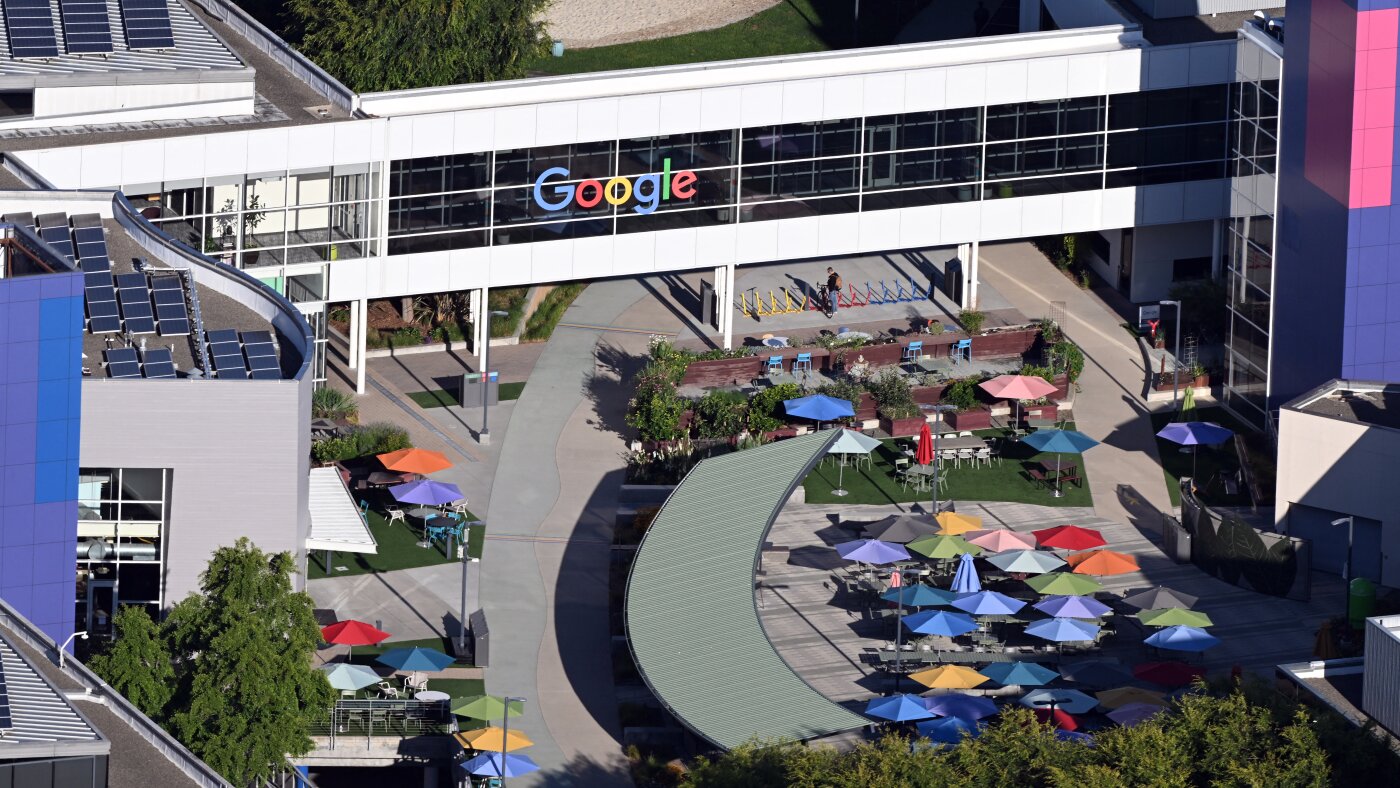
Polymarket Insider Trading Charges - highlights real-time developments influencing market sentiment and trading conditions. The U.S. Department of Justice has filed criminal charges against a Google staffer accused of using insider information to generate approximately $1.2 million in profits on the prediction market site Polymarket. This marks the second known instance of federal prosecutors pursuing insider trading cases related to prediction market activity.
Live News
Polymarket Insider Trading Charges - highlights real-time developments influencing market sentiment and trading conditions. Real-time monitoring of multiple asset classes can help traders manage risk more effectively. By understanding how commodities, currencies, and equities interact, investors can create hedging strategies or adjust their positions quickly. The Department of Justice recently announced charges against a Google employee who allegedly leveraged confidential information to profit from trades on Polymarket, a cryptocurrency-based prediction market platform. According to the filing, the individual’s trades reportedly yielded around $1.2 million. The case represents the second time federal authorities have pursued criminal charges for insider trading on a prediction market site, signaling a growing enforcement focus on these relatively new financial venues. The allegations center on the misuse of non-public information that gave the employee an unfair advantage over other market participants. While details of the specific information remain undisclosed in publicly available summaries, the DOJ’s action underscores its view that prediction markets fall under existing securities or commodities laws. The first known case involved a former employee of another tech company, setting a precedent for this latest charge. Polymarket itself has not commented on the development.
DOJ Charges Google Employee for Insider Trading on Polymarket Prediction Platform Volatility can present both risks and opportunities. Investors who manage their exposure carefully while capitalizing on price swings often achieve better outcomes than those who react emotionally.Many investors appreciate flexibility in analytical platforms. Customizable dashboards and alerts allow strategies to adapt to evolving market conditions.DOJ Charges Google Employee for Insider Trading on Polymarket Prediction Platform Sentiment analysis has emerged as a complementary tool for traders, offering insight into how market participants collectively react to news and events. This information can be particularly valuable when combined with price and volume data for a more nuanced perspective.Some traders focus on short-term price movements, while others adopt long-term perspectives. Both approaches can benefit from real-time data, but their interpretation and application differ significantly.
Key Highlights
Polymarket Insider Trading Charges - highlights real-time developments influencing market sentiment and trading conditions. Global macro trends can influence seemingly unrelated markets. Awareness of these trends allows traders to anticipate indirect effects and adjust their positions accordingly. This case highlights several broader implications for the prediction market ecosystem. First, it suggests that U.S. regulators and prosecutors intend to apply traditional insider trading prohibitions to these platforms, which often operate in a regulatory gray area. The DOJ’s willingness to charge individuals for using inside information on prediction markets could deter similar behavior and increase compliance costs for operators like Polymarket. Second, the involvement of a major tech company employee—Google—may prompt employers to tighten internal policies around personal trading and access to sensitive data. Companies could potentially review their employees’ participation in prediction markets as part of broader compliance programs. The case may also encourage platform operators to enhance surveillance and reporting mechanisms to detect suspicious trading patterns.
DOJ Charges Google Employee for Insider Trading on Polymarket Prediction Platform Experienced traders often develop contingency plans for extreme scenarios. Preparing for sudden market shocks, liquidity crises, or rapid policy changes allows them to respond effectively without making impulsive decisions.The increasing availability of analytical tools has made it easier for individuals to participate in financial markets. However, understanding how to interpret the data remains a critical skill.DOJ Charges Google Employee for Insider Trading on Polymarket Prediction Platform Scenario planning is a key component of professional investment strategies. By modeling potential market outcomes under varying economic conditions, investors can prepare contingency plans that safeguard capital and optimize risk-adjusted returns. This approach reduces exposure to unforeseen market shocks.Observing trading volume alongside price movements can reveal underlying strength. Volume often confirms or contradicts trends.
Expert Insights
Polymarket Insider Trading Charges - highlights real-time developments influencing market sentiment and trading conditions. Real-time updates allow for rapid adjustments in trading strategies. Investors can reallocate capital, hedge positions, or take profits quickly when unexpected market movements occur. For investors and participants in prediction markets, this development could signal an evolving regulatory landscape. While the markets offer novel ways to hedge or speculate on future events, the risk of legal action for insider trading appears real—particularly for individuals who hold positions with access to non-public information. The DOJ’s second charge in this area might lead to increased scrutiny from the Securities and Exchange Commission or other agencies. Looking ahead, the outcome of this case may set important legal precedents regarding how prediction market trades are classified under federal law. If courts uphold the DOJ’s interpretation, it could curtail some activities on these platforms or push them toward greater transparency. However, the broader impact remains uncertain, as regulatory frameworks for such markets are still developing. The long-term viability of prediction markets will likely depend on how they adapt to legal and compliance pressures. Disclaimer: This analysis is for informational purposes only and does not constitute investment advice.
DOJ Charges Google Employee for Insider Trading on Polymarket Prediction Platform Some investors integrate AI models to support analysis. The human element remains essential for interpreting outputs contextually.Diversifying the sources of information helps reduce bias and prevent overreliance on a single perspective. Investors who combine data from exchanges, news outlets, analyst reports, and social sentiment are often better positioned to make balanced decisions that account for both opportunities and risks.DOJ Charges Google Employee for Insider Trading on Polymarket Prediction Platform Access to reliable, continuous market data is becoming a standard among active investors. It allows them to respond promptly to sudden shifts, whether in stock prices, energy markets, or agricultural commodities. The combination of speed and context often distinguishes successful traders from the rest.Access to multiple perspectives can help refine investment strategies. Traders who consult different data sources often avoid relying on a single signal, reducing the risk of following false trends.