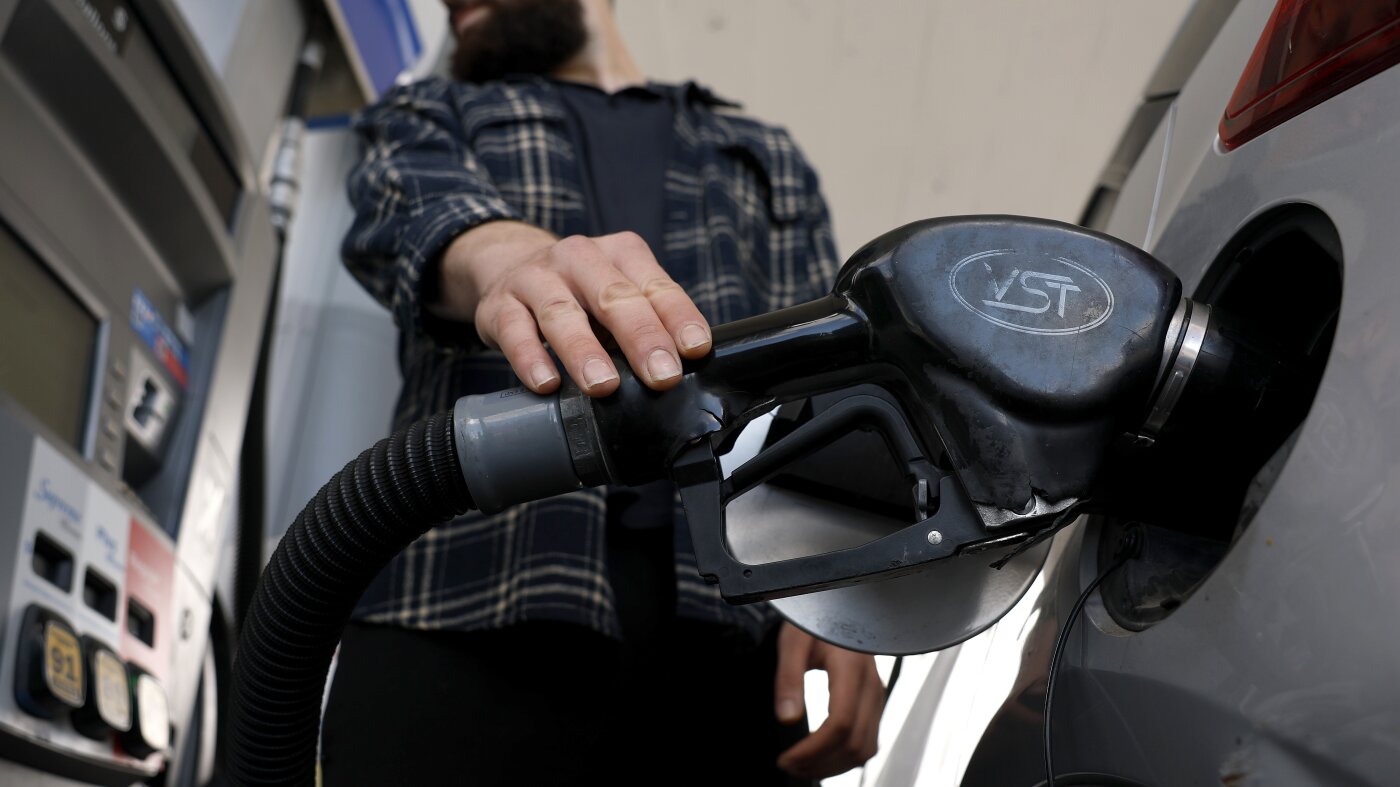
research insights We focus on stock market intelligence, including earnings analysis, valuation trends, and sector performance tracking. With the national average for a gallon of gasoline reaching $4.55 ahead of one of the busiest travel weekends of the year, consumers are exploring ways to reduce fuel costs. Options range from driving slower to considering electric vehicles or avoiding driving altogether.
Live News
research insights Access to reliable, continuous market data is becoming a standard among active investors. It allows them to respond promptly to sudden shifts, whether in stock prices, energy markets, or agricultural commodities. The combination of speed and context often distinguishes successful traders from the rest. Incorporating sentiment analysis complements traditional technical indicators. Social media trends, news sentiment, and forum discussions provide additional layers of insight into market psychology. When combined with real-time pricing data, these indicators can highlight emerging trends before they manifest in broader markets. The national average for a gallon of gasoline stands at $4.55, coinciding with a period when many Americans are planning travel for a major holiday weekend. This price level has prompted widespread discussion of fuel-saving strategies. Among the most commonly cited approaches are adjusting driving habits—such as reducing speed, avoiding rapid acceleration, and using cruise control—which could improve fuel efficiency. Additionally, maintaining proper tire pressure and reducing vehicle weight by removing unnecessary items may also help. For longer-term savings, the shift toward electric vehicles (EVs) has gained attention as high gas prices make the cost-per-mile of EVs relatively more attractive. However, the upfront purchase price of EVs remains a barrier for many consumers. Alternatives such as carpooling, public transit, or simply consolidating errands into fewer trips are also being promoted as immediate ways to cut fuel expenses. The current price environment may influence consumer behavior, with some opting to delay non-essential trips or choose destinations closer to home.
Rising Gas Prices Prompt Drivers to Seek Fuel-Saving Strategies: Electric Vehicles, Slower Speeds, and Alternatives Risk-adjusted performance metrics, such as Sharpe and Sortino ratios, are critical for evaluating strategy effectiveness. Professionals prioritize not just absolute returns, but consistency and downside protection in assessing portfolio performance.Some traders combine sentiment analysis with quantitative models. While unconventional, this approach can uncover market nuances that raw data misses.Rising Gas Prices Prompt Drivers to Seek Fuel-Saving Strategies: Electric Vehicles, Slower Speeds, and Alternatives Some investors integrate technical signals with fundamental analysis. The combination helps balance short-term opportunities with long-term portfolio health.The increasing availability of analytical tools has made it easier for individuals to participate in financial markets. However, understanding how to interpret the data remains a critical skill.
Key Highlights
research insights Historical trends provide context for current market conditions. Recognizing patterns helps anticipate possible moves. Analyzing intermarket relationships provides insights into hidden drivers of performance. For instance, commodity price movements often impact related equity sectors, while bond yields can influence equity valuations, making holistic monitoring essential. Key takeaways from the current situation highlight the impact of elevated gas prices on household budgets and travel plans. The $4.55 national average represents a significant cost for many families, particularly those with longer commutes or lower incomes. This could lead to reduced discretionary spending in other areas, such as dining out or entertainment, as more income is allocated to fuel. The pricing environment may also accelerate interest in fuel-efficient vehicles, including hybrids and electric models. Automakers and dealerships could see shifts in consumer inquiries and sales patterns. Additionally, the travel industry might experience changes, with shorter road trips or alternative transportation modes gaining preference. However, it remains uncertain how long prices will stay at these levels, as factors such as global oil supply and refinery capacity continue to influence the market.
Rising Gas Prices Prompt Drivers to Seek Fuel-Saving Strategies: Electric Vehicles, Slower Speeds, and Alternatives Some traders rely on alerts to track key thresholds, allowing them to react promptly without monitoring every minute of the trading day. This approach balances convenience with responsiveness in fast-moving markets.Some investors track short-term indicators to complement long-term strategies. The combination offers insights into immediate market shifts and overarching trends.Rising Gas Prices Prompt Drivers to Seek Fuel-Saving Strategies: Electric Vehicles, Slower Speeds, and Alternatives Analytical dashboards are most effective when personalized. Investors who tailor their tools to their strategy can avoid irrelevant noise and focus on actionable insights.Real-time data also aids in risk management. Investors can set thresholds or stop-loss orders more effectively with timely information.
Expert Insights
research insights Timing is often a differentiator between successful and unsuccessful investment outcomes. Professionals emphasize precise entry and exit points based on data-driven analysis, risk-adjusted positioning, and alignment with broader economic cycles, rather than relying on intuition alone. Alerts help investors monitor critical levels without constant screen time. They provide convenience while maintaining responsiveness. From an investment perspective, sustained high gas prices could have mixed implications across sectors. Energy companies, particularly those involved in oil production and refining, may potentially benefit from higher margins. Conversely, retailers and travel-related businesses might face headwinds if consumers cut back on spending or alter travel habits. The transition to electric vehicles could receive a boost, as rising fuel costs make the total cost of ownership of EVs more competitive. However, potential challenges such as charging infrastructure and battery supply chain constraints could temper the pace of adoption. Investors may want to monitor these trends cautiously, as price movements in crude oil and consumer response remain uncertain. Ultimately, the current gas price environment underscores the broader interplay between energy costs, consumer behavior, and economic activity. Disclaimer: This analysis is for informational purposes only and does not constitute investment advice.
Rising Gas Prices Prompt Drivers to Seek Fuel-Saving Strategies: Electric Vehicles, Slower Speeds, and Alternatives Professionals emphasize the importance of trend confirmation. A signal is more reliable when supported by volume, momentum indicators, and macroeconomic alignment, reducing the likelihood of acting on transient or false patterns.Real-time data enables better timing for trades. Whether entering or exiting a position, having immediate information can reduce slippage and improve overall performance.Rising Gas Prices Prompt Drivers to Seek Fuel-Saving Strategies: Electric Vehicles, Slower Speeds, and Alternatives Combining qualitative news with quantitative metrics often improves overall decision quality. Market sentiment, regulatory changes, and global events all influence outcomes.Predictive tools are increasingly used for timing trades. While they cannot guarantee outcomes, they provide structured guidance.