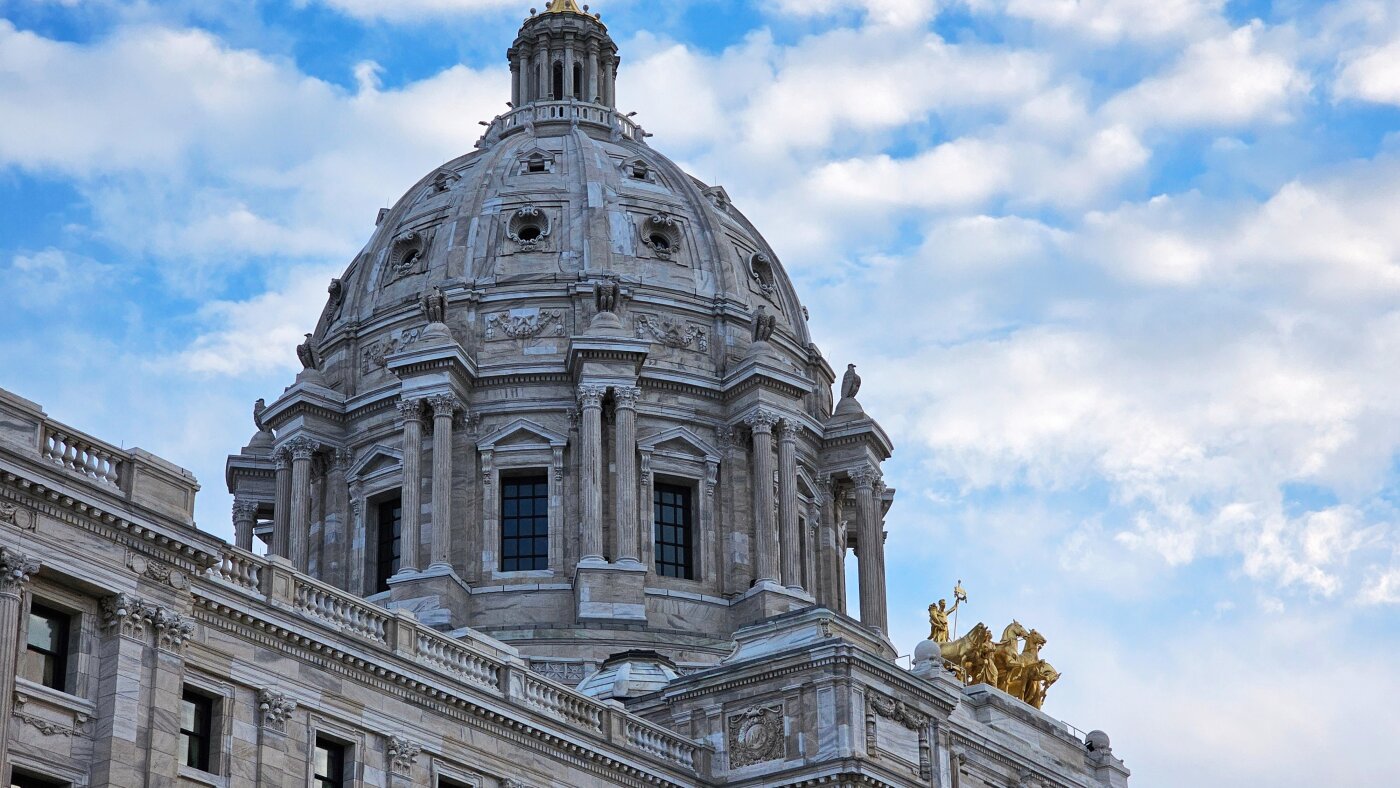
【Market Trends】 Management quality directly drives stock performance. Minnesota has become the first U.S. state to pass a law that explicitly bans prediction markets, making it a felony for platforms like Kalshi and Polymarket to operate within its borders. The move represents a significant escalation in state-level scrutiny of the controversial industry, where dozens of other states have previously taken legal action.
Live News
【Market Trends】 Market participants increasingly appreciate the value of structured visualization. Graphs, heatmaps, and dashboards make it easier to identify trends, correlations, and anomalies in complex datasets. According to a report from NPR, Minnesota's new legislation criminalizes the operation of prediction market platforms, classifying violations as a felony. While numerous states have previously pursued legal measures against the industry—ranging from cease-and-desist orders to civil penalties—Minnesota is the first to enact a statutory ban with felony-level consequences. Prediction markets allow users to bet on the outcomes of future events, such as elections, sporting events, or economic indicators. Platforms like Kalshi and Polymarket have grown in popularity but have also attracted regulatory scrutiny over concerns about gambling, market manipulation, and election integrity. Critics argue that these platforms resemble unregulated gambling operations, while proponents claim they provide valuable forecasting data. The Minnesota law specifically targets companies that operate prediction market platforms within the state. The legislation does not differentiate between event-based contracts or other types of prediction products. The move may set a precedent for other states considering similar crackdowns. However, the full scope of enforcement and potential legal challenges remain unclear. Industry observers note that the federal regulatory landscape for prediction markets is still evolving. The Commodity Futures Trading Commission (CFTC) has previously scrutinized such platforms but has not issued a comprehensive ban. Minnesota’s decision could influence future federal and state policy discussions.
Minnesota Enacts Landmark Ban on Prediction Markets, Making Operation a FelonyAccess to global market information improves situational awareness. Traders can anticipate the effects of macroeconomic events.Investors these days increasingly rely on real-time updates to understand market dynamics. By monitoring global indices and commodity prices simultaneously, they can capture short-term movements more effectively. Combining this with historical trends allows for a more balanced perspective on potential risks and opportunities.Monitoring global market interconnections is increasingly important in today’s economy. Events in one country often ripple across continents, affecting indices, currencies, and commodities elsewhere. Understanding these linkages can help investors anticipate market reactions and adjust their strategies proactively.Monitoring derivatives activity provides early indications of market sentiment. Options and futures positioning often reflect expectations that are not yet evident in spot markets, offering a leading indicator for informed traders.Many traders monitor multiple asset classes simultaneously, including equities, commodities, and currencies. This broader perspective helps them identify correlations that may influence price action across different markets.Monitoring global indices can help identify shifts in overall sentiment. These changes often influence individual stocks.
Key Highlights
【Market Trends】 Access to continuous data feeds allows investors to react more efficiently to sudden changes. In fast-moving environments, even small delays in information can significantly impact decision-making. - First-of-its-kind felony ban: Minnesota is the only state to date to classify operation of prediction markets as a felony, signaling a more aggressive regulatory stance. - Precedent for other states: Dozens of states have taken legal action against prediction markets, but Minnesota’s law may encourage other jurisdictions to adopt similar felony-level restrictions. - Impact on major platforms: Companies like Kalshi and Polymarket may face restricted access to Minnesota customers and possible legal exposure if they continue operations within the state. - Sector uncertainty: The ban introduces additional regulatory risk for the prediction market industry, which has already faced uncertainty at both state and federal levels. - Potential constitutional challenges: Legal experts suggest that the law could be challenged on First Amendment or interstate commerce grounds, though such challenges would likely take months or years to resolve. - Market implications for related sectors: Companies providing technology, payment processing, or data services to prediction market platforms could face indirect regulatory pressure if other states follow Minnesota’s lead.
Minnesota Enacts Landmark Ban on Prediction Markets, Making Operation a FelonyMany traders use a combination of indicators to confirm trends. Alignment between multiple signals increases confidence in decisions.Monitoring investor behavior, sentiment indicators, and institutional positioning provides a more comprehensive understanding of market dynamics. Professionals use these insights to anticipate moves, adjust strategies, and optimize risk-adjusted returns effectively.Access to real-time data enables quicker decision-making. Traders can adapt strategies dynamically as market conditions evolve.Economic policy announcements often catalyze market reactions. Interest rate decisions, fiscal policy updates, and trade negotiations influence investor behavior, requiring real-time attention and responsive adjustments in strategy.Real-time monitoring of multiple asset classes can help traders manage risk more effectively. By understanding how commodities, currencies, and equities interact, investors can create hedging strategies or adjust their positions quickly.Effective risk management is a cornerstone of sustainable investing. Professionals emphasize the importance of clearly defined stop-loss levels, portfolio diversification, and scenario planning. By integrating quantitative analysis with qualitative judgment, investors can limit downside exposure while positioning themselves for potential upside.
Expert Insights
【Market Trends】 Real-time monitoring of multiple asset classes allows for proactive adjustments. Experts track equities, bonds, commodities, and currencies in parallel, ensuring that portfolio exposure aligns with evolving market conditions. From a professional perspective, Minnesota’s move represents a notable shift in the regulatory environment for prediction markets. While federal oversight has been limited, state-level bans may create a patchwork of regulations that complicates compliance for platforms operating nationally. Investors in companies associated with prediction markets—such as technology providers or financial intermediaries—may face heightened uncertainty regarding future revenue and legal costs. The law could also have broader implications for the broader financial technology and online gambling sectors. As states increasingly target these platforms, the cost of compliance and potential litigation may rise. However, it is too early to assess whether other states will follow Minnesota’s felony-level approach or opt for less severe regulatory measures. For now, market participants should monitor legal developments in Minnesota and potential responses from federal regulators. The outcome of any legal challenges could shape the future of prediction markets in the United States. As always, investors are advised to exercise caution and conduct independent research before making decisions related to emerging regulatory environments. Disclaimer: This analysis is for informational purposes only and does not constitute investment advice.
Minnesota Enacts Landmark Ban on Prediction Markets, Making Operation a FelonyMany traders use alerts to monitor key levels without constantly watching the screen. This allows them to maintain awareness while managing their time more efficiently.The integration of AI-driven insights has started to complement human decision-making. While automated models can process large volumes of data, traders still rely on judgment to evaluate context and nuance.Combining qualitative news with quantitative metrics often improves overall decision quality. Market sentiment, regulatory changes, and global events all influence outcomes.Cross-market analysis can reveal opportunities that might otherwise be overlooked. Observing relationships between assets can provide valuable signals.High-frequency data monitoring enables timely responses to sudden market events. Professionals use advanced tools to track intraday price movements, identify anomalies, and adjust positions dynamically to mitigate risk and capture opportunities.Some traders incorporate global events into their analysis, including geopolitical developments, natural disasters, or policy changes. These factors can influence market sentiment and volatility, making it important to blend fundamental awareness with technical insights for better decision-making.