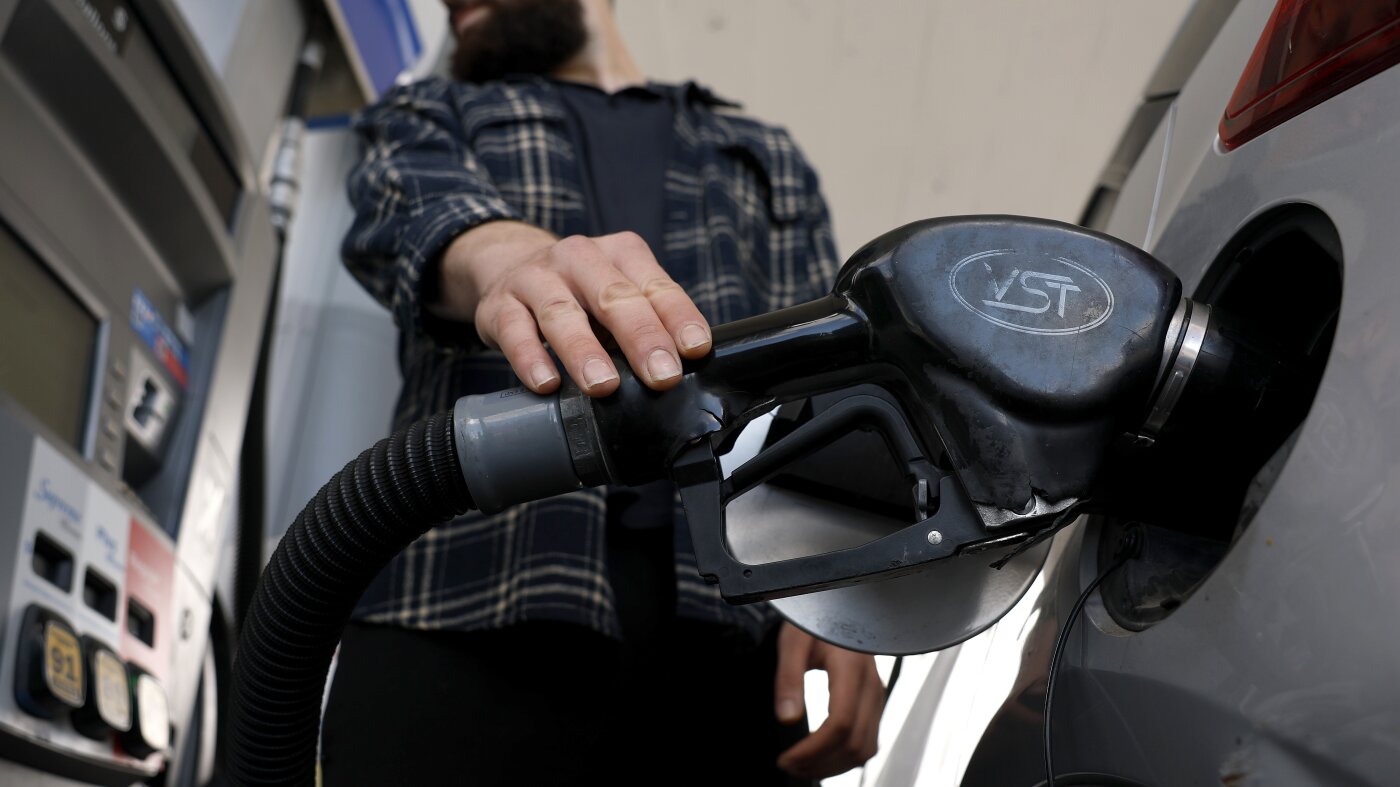
data analysis We provide continuous equity market coverage with emphasis on earnings analysis and investor sentiment. The national average gasoline price has reached $4.55 per gallon as America heads into one of the busiest travel weekends of the year. Drivers are exploring various methods to cut fuel costs, including slower driving, transitioning to electric vehicles, or reducing travel altogether. This consumer behavior shift may signal broader changes in energy consumption patterns.
Live News
data analysis Some traders rely on alerts to track key thresholds, allowing them to react promptly without monitoring every minute of the trading day. This approach balances convenience with responsiveness in fast-moving markets. The increasing availability of commodity data allows equity traders to track potential supply chain effects. Shifts in raw material prices often precede broader market movements. According to recently released data, the national average price for a gallon of gasoline stands at $4.55, coinciding with a peak travel period in the United States. The source news highlights several options consumers are considering to mitigate rising fuel expenses. These options include driving at slower speeds to improve fuel efficiency, switching to electric vehicles (EVs) for lower per-mile costs, and in some cases, avoiding driving entirely by using alternative transportation or staying home. The advice reflects a practical response to elevated pump prices, which have become a significant household budget concern. While the source does not specify exact savings percentages, it suggests that even modest behavioral changes could reduce gasoline consumption. The busy travel weekend context underscores the tension between seasonal mobility demands and financial constraints, potentially influencing near-term fuel demand.
As Gas Prices Surge Past $4.55, Consumers Seek Fuel-Saving Strategies Amid Busy Travel Weekend Understanding macroeconomic cycles enhances strategic investment decisions. Expansionary periods favor growth sectors, whereas contraction phases often reward defensive allocations. Professional investors align tactical moves with these cycles to optimize returns.Data-driven insights are most useful when paired with experience. Skilled investors interpret numbers in context, rather than following them blindly.As Gas Prices Surge Past $4.55, Consumers Seek Fuel-Saving Strategies Amid Busy Travel Weekend Real-time tracking of futures markets can provide early signals for equity movements. Since futures often react quickly to news, they serve as a leading indicator in many cases.Experienced traders often develop contingency plans for extreme scenarios. Preparing for sudden market shocks, liquidity crises, or rapid policy changes allows them to respond effectively without making impulsive decisions.
Key Highlights
data analysis Real-time data can reveal early signals in volatile markets. Quick action may yield better outcomes, particularly for short-term positions. Monitoring macroeconomic indicators alongside asset performance is essential. Interest rates, employment data, and GDP growth often influence investor sentiment and sector-specific trends. The $4.55 average gasoline price represents a notable cost burden for consumers, possibly affecting travel plans and discretionary spending. Key takeaways from the current situation include: first, the high price level may accelerate consumer interest in fuel-efficient vehicles, including hybrids and fully electric models, as households seek long-term savings. Second, the timing around a major travel weekend could lead to temporary demand fluctuations, with some travelers opting for shorter trips or staying local. Third, broader market implications might involve increased scrutiny of gasoline retailers’ pricing strategies and potential policy discussions around fuel taxes or subsidies. These developments, anchored in the reported data, suggest that energy costs are likely to remain a central topic in consumer finance and economic analysis.
As Gas Prices Surge Past $4.55, Consumers Seek Fuel-Saving Strategies Amid Busy Travel Weekend Predictive modeling for high-volatility assets requires meticulous calibration. Professionals incorporate historical volatility, momentum indicators, and macroeconomic factors to create scenarios that inform risk-adjusted strategies and protect portfolios during turbulent periods.Real-time access to global market trends enhances situational awareness. Traders can better understand the impact of external factors on local markets.As Gas Prices Surge Past $4.55, Consumers Seek Fuel-Saving Strategies Amid Busy Travel Weekend The interpretation of data often depends on experience. New investors may focus on different signals compared to seasoned traders.Real-time data supports informed decision-making, but interpretation determines outcomes. Skilled investors apply judgment alongside numbers.
Expert Insights
data analysis Investors who track global indices alongside local markets often identify trends earlier than those who focus on one region. Observing cross-market movements can provide insight into potential ripple effects in equities, commodities, and currency pairs. Some investors rely heavily on automated tools and alerts to capture market opportunities. While technology can help speed up responses, human judgment remains necessary. Reviewing signals critically and considering broader market conditions helps prevent overreactions to minor fluctuations. From an investment perspective, elevated gasoline prices could influence several sectors. The automotive industry may see shifting consumer preferences toward electric and hybrid vehicles, potentially benefiting companies with strong EV lineups. Conversely, traditional oil and gas firms might face headwinds if demand softens due to conservation efforts. The travel and hospitality sectors could experience a mixed impact, as higher fuel costs might deter some road trips but increase spending on local alternatives. However, these outcomes are uncertain and depend on future price movements and consumer adaptation. Investors should monitor gasoline price trends and policy responses, but no specific stock recommendations are warranted. Cautious financial planning would consider the potential for sustained high fuel costs to reshape demand patterns over time. Disclaimer: This analysis is for informational purposes only and does not constitute investment advice.
As Gas Prices Surge Past $4.55, Consumers Seek Fuel-Saving Strategies Amid Busy Travel Weekend Experts often combine real-time analytics with historical benchmarks. Comparing current price behavior to historical norms, adjusted for economic context, allows for a more nuanced interpretation of market conditions and enhances decision-making accuracy.The role of analytics has grown alongside technological advancements in trading platforms. Many traders now rely on a mix of quantitative models and real-time indicators to make informed decisions. This hybrid approach balances numerical rigor with practical market intuition.As Gas Prices Surge Past $4.55, Consumers Seek Fuel-Saving Strategies Amid Busy Travel Weekend Diversification across asset classes reduces systemic risk. Combining equities, bonds, commodities, and alternative investments allows for smoother performance in volatile environments and provides multiple avenues for capital growth.Investor psychology plays a pivotal role in market outcomes. Herd behavior, overconfidence, and loss aversion often drive price swings that deviate from fundamental values. Recognizing these behavioral patterns allows experienced traders to capitalize on mispricings while maintaining a disciplined approach.